Blog
Notes from the workbench.
Newsletter
New notes, in your inbox.
Get each new article from the workbench by email. No spam, unsubscribe anytime.
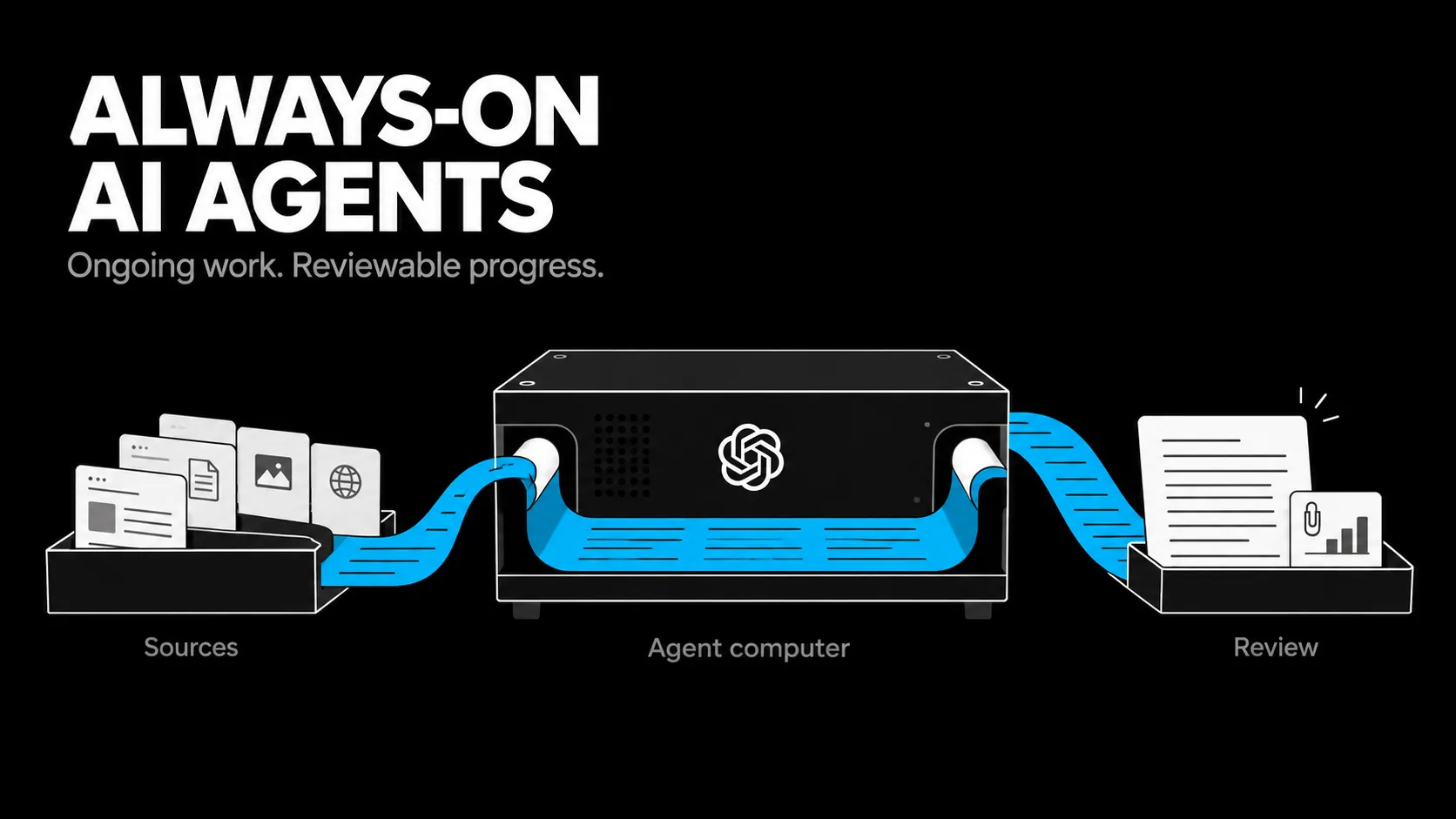
Always-on AI agents: what OpenAI Dots actually changes
Always-on AI agents can carry work between conversations. Learn what OpenAI Dots changes, where agent computers help, and how to run a useful pilot.
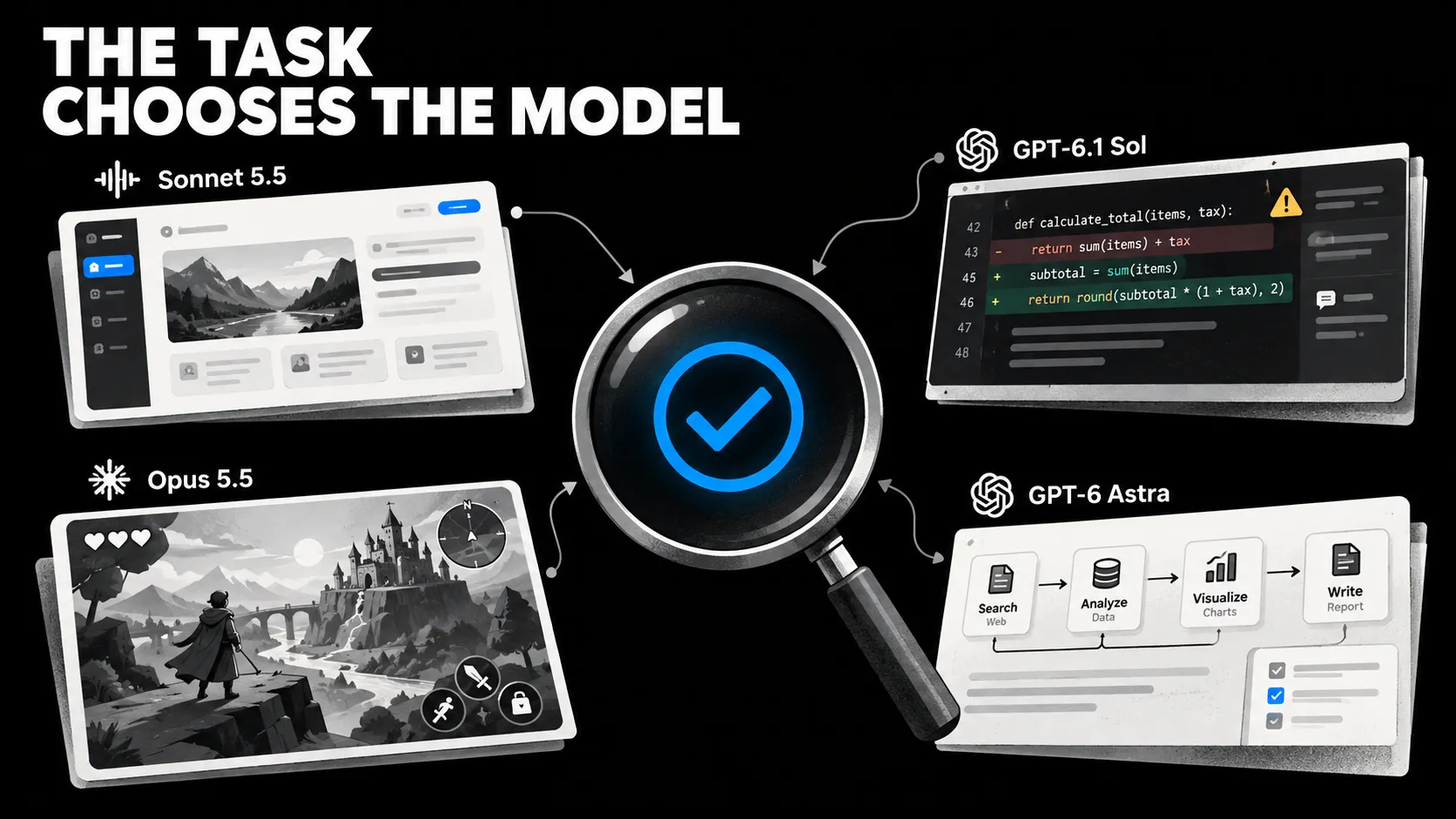
Sprinting the Frontier: Reviewing and Comparing Opus 5.5, Sonnet 5.5, GPT-6.1 Sol, and GPT-6 Astra
Compare Opus 5.5, Sonnet 5.5, GPT-6.1 Sol, and GPT-6 Astra on real work, pricing, benchmark limits, and cost per accepted result.
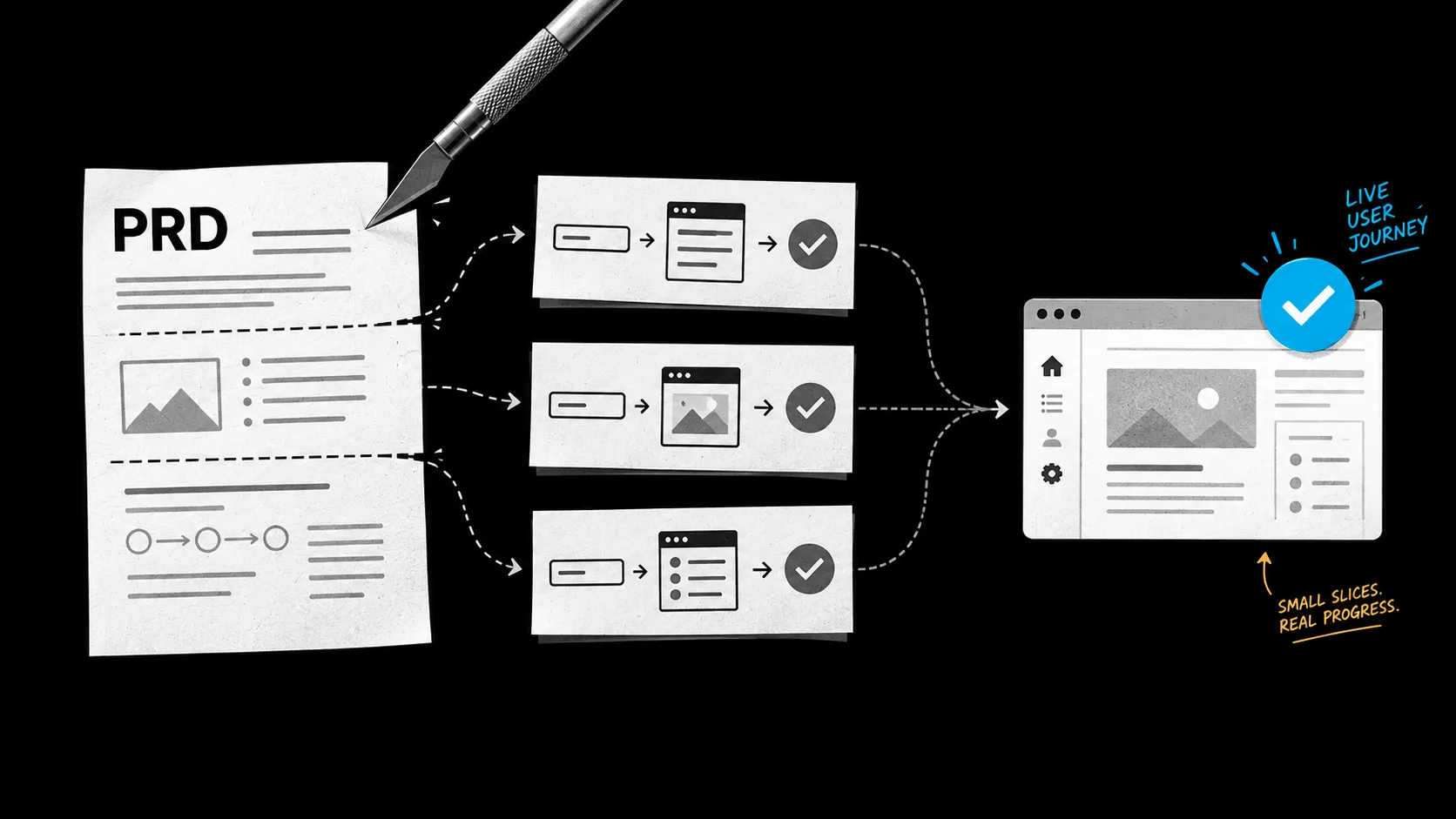
Claude Code in Production: Build Apps Without Vibe Coding
Use Claude Code in production with a one-page PRD, vertical task slices, test gates, and release checks. A practical app-build workflow.
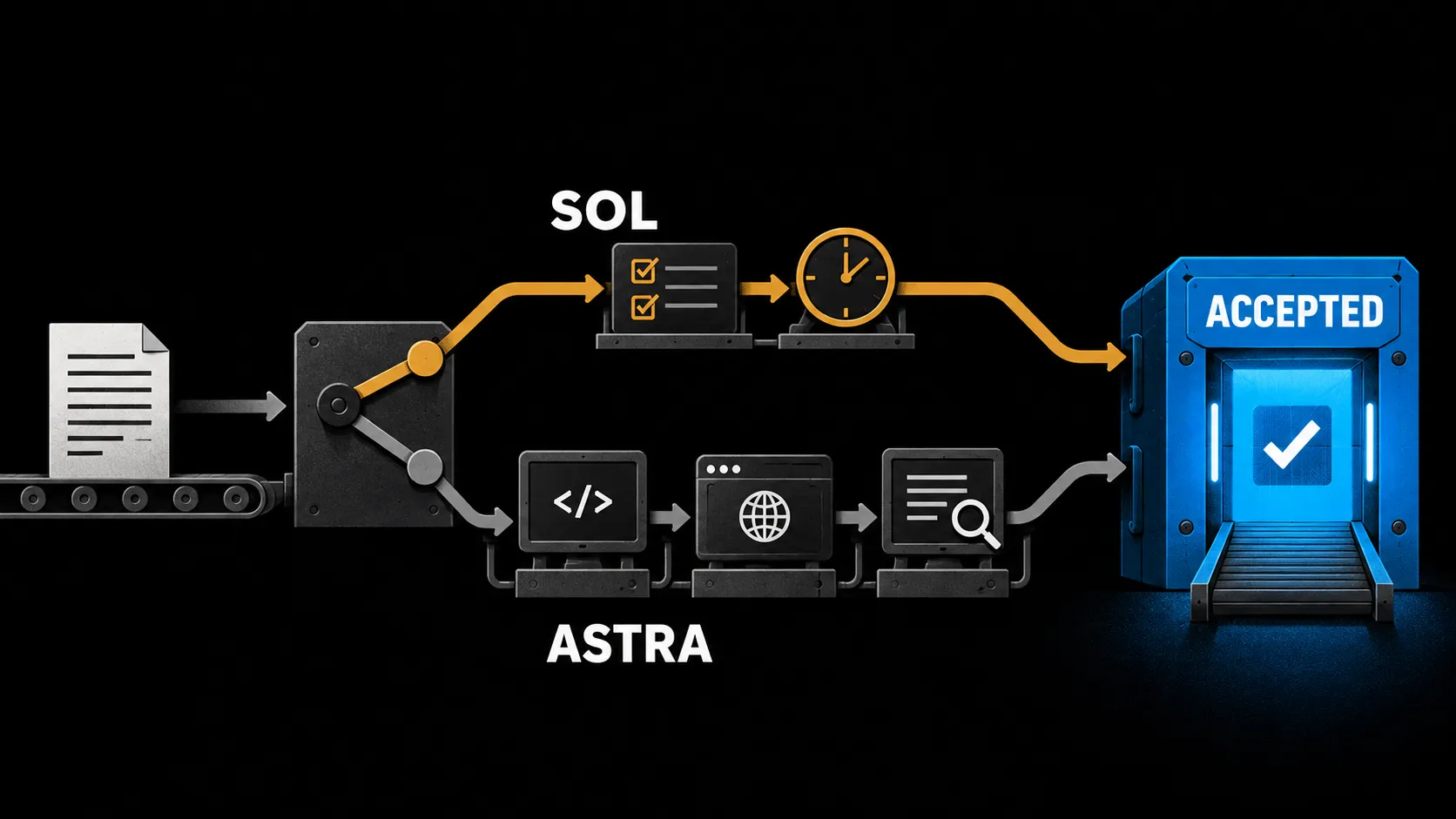
GPT-6 Sol vs Astra: The Model Shootout That Matters
GPT-6 Sol vs Astra is a workload decision, not a leaderboard contest. Compare capability, speed, and cost, then run a fair shootout on your own tasks.
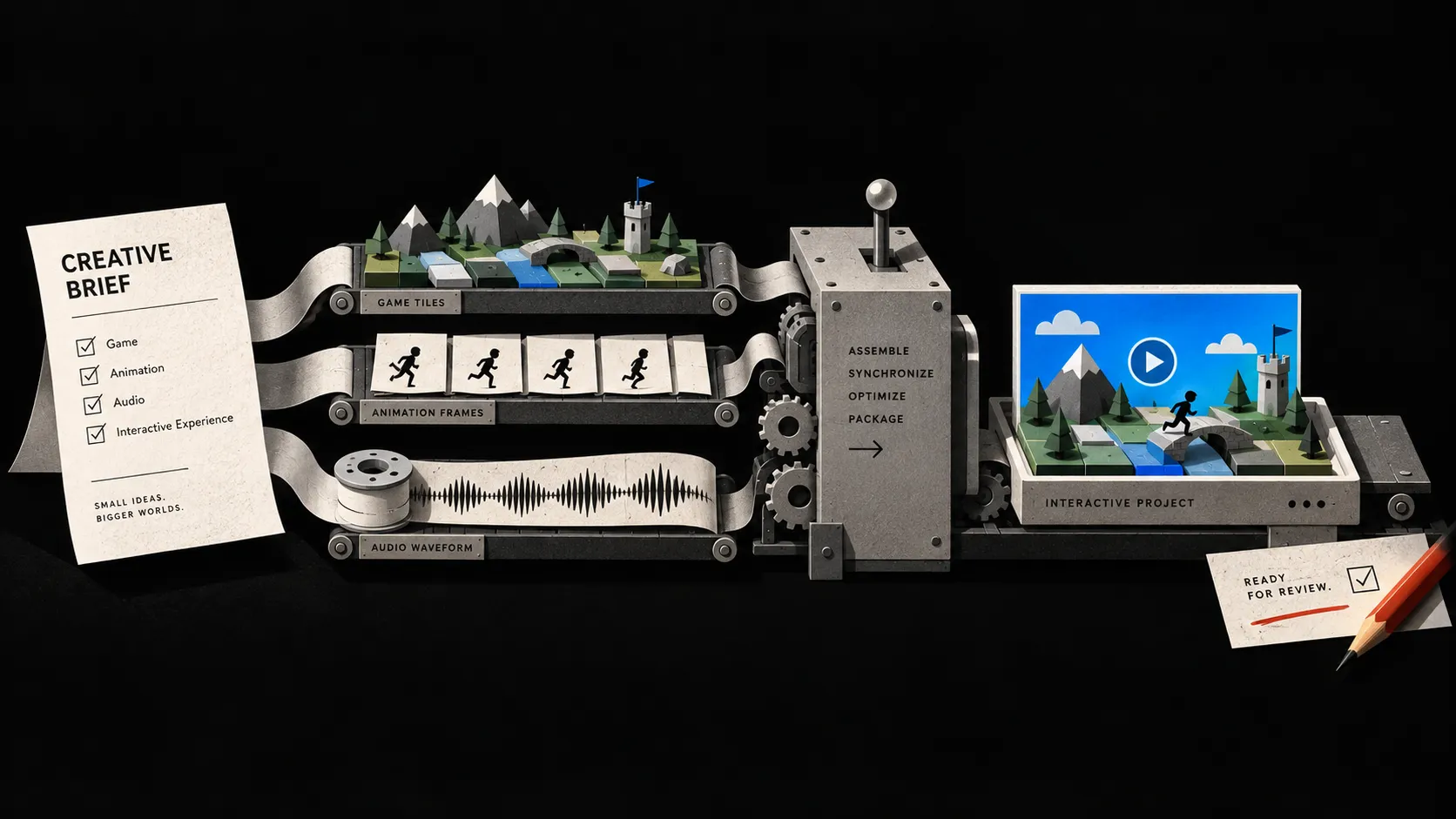
Claude Opus 5.5: What Creators Are Making
Claude Opus 5.5 is helping creators build games, videos, and interactive projects. Here is what changed, what examples show, and where review matters.
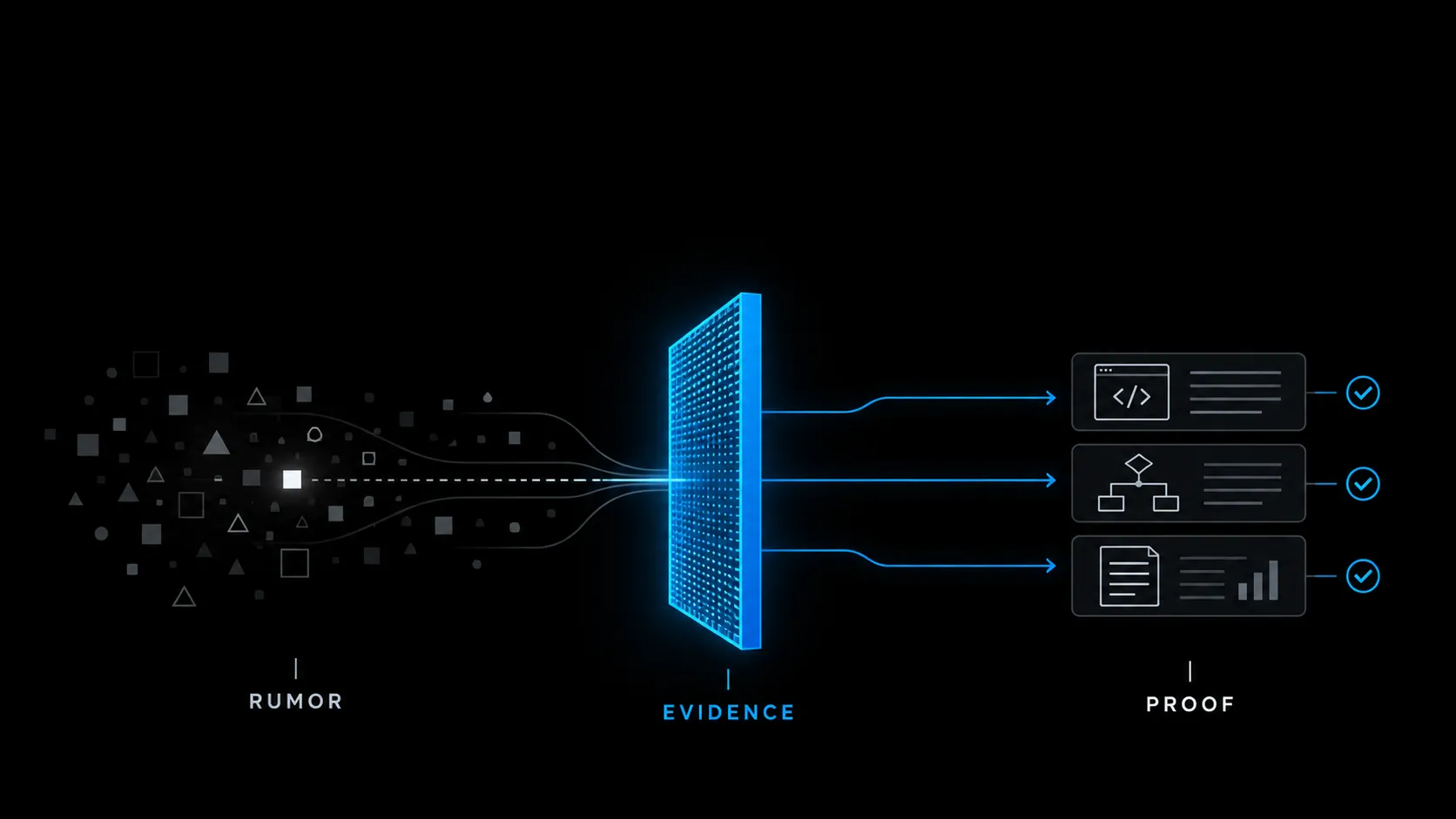
Gemini RSI Leak: What the Evidence Actually Proves
Gemini RSI leak claims are outrunning the evidence. See what Google has confirmed about recursive improvement, RRSI, and AlphaEvolve.
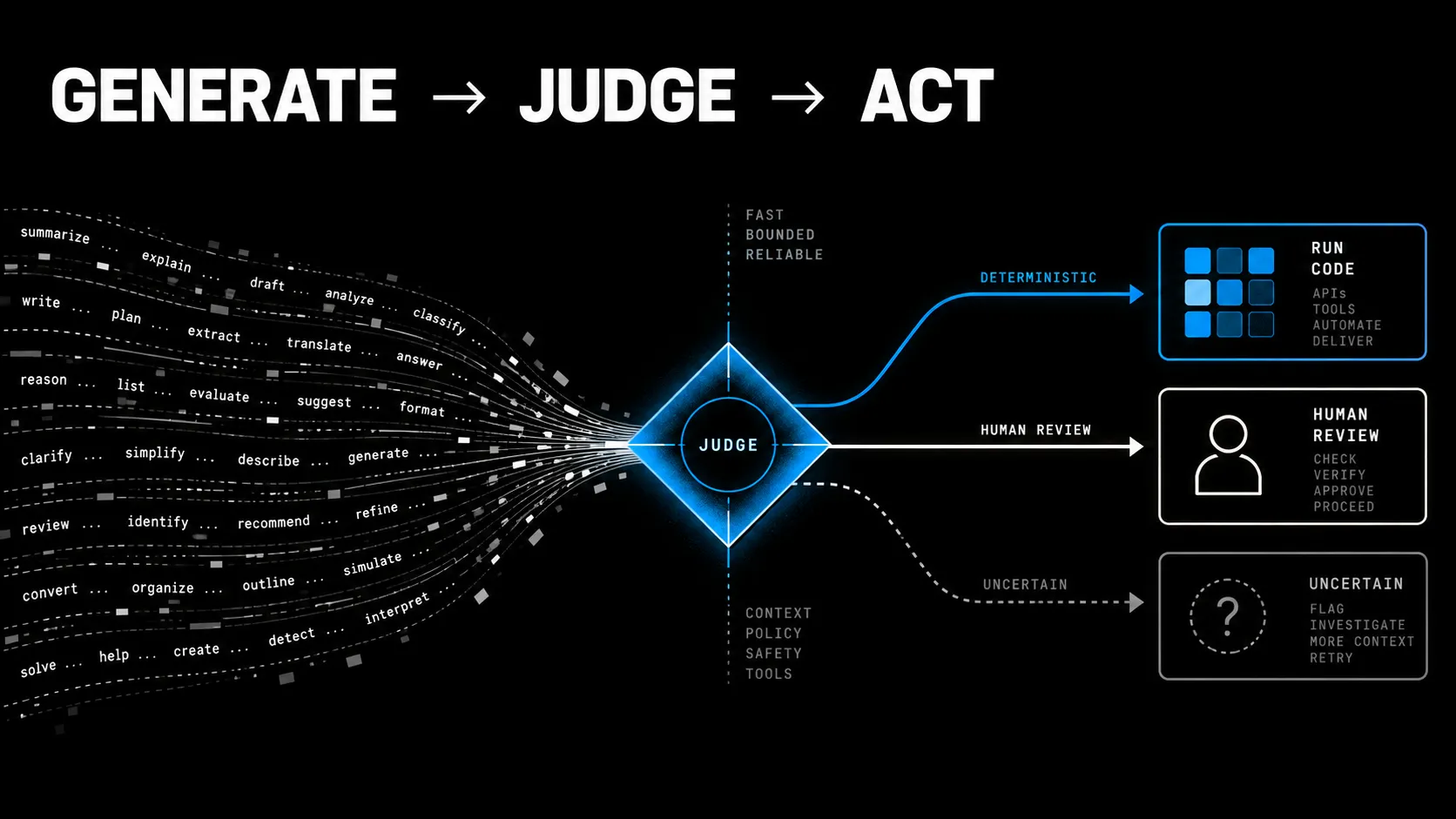
Jev Judgment Models Are Fast. That Does Not Make Them Better Than LLMs.
Jev judgment models make fast, typed decisions inside software. Learn where they beat LLMs, where they do not, and how to test them safely.
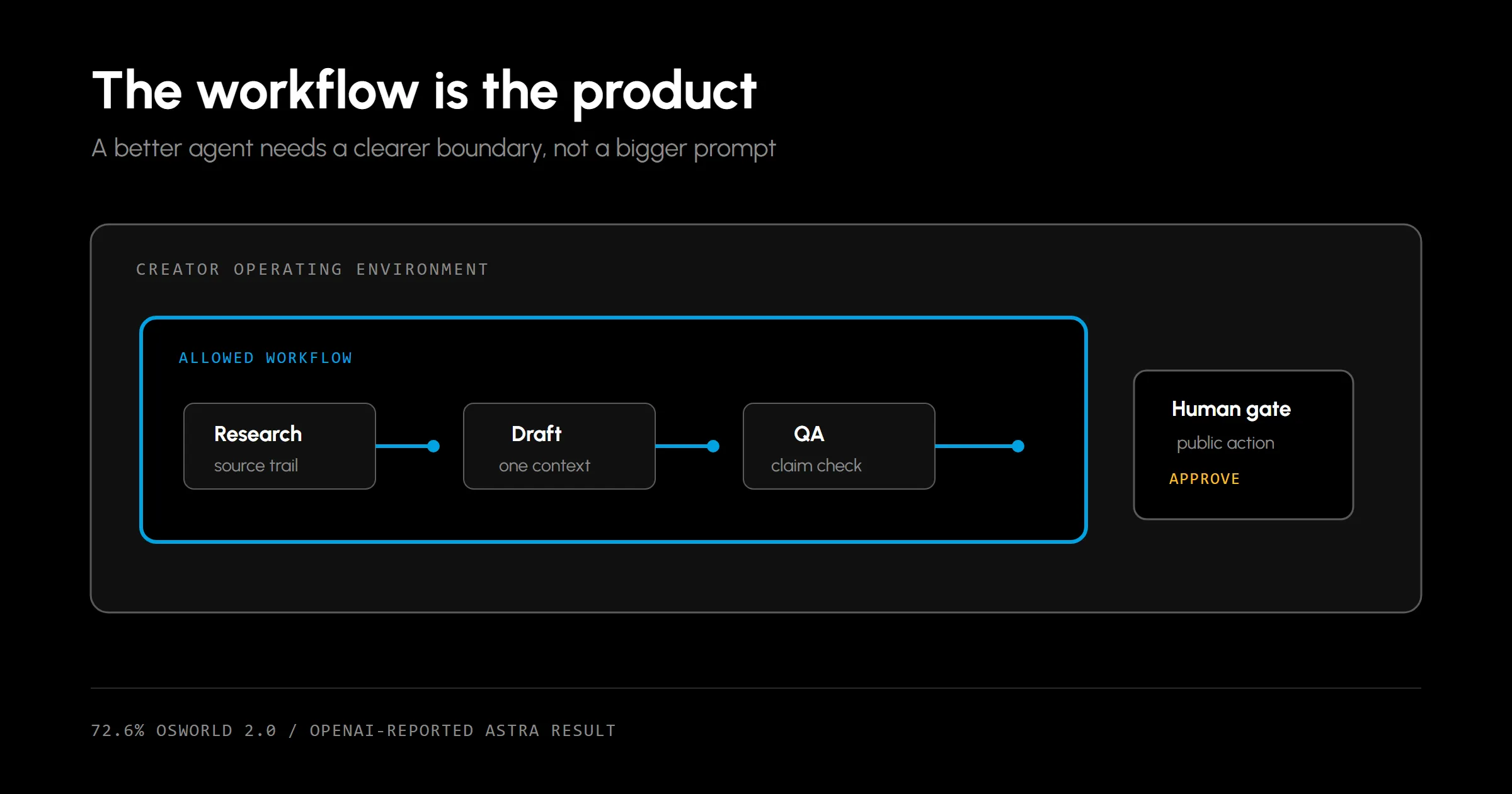
GPT-6 Astra Is a Capability Leap. The Workflow Is Still the Product.
GPT-6 Astra can carry more work across browsing, computer use, and creation. The advantage now comes from supervised creator and agent workflows.
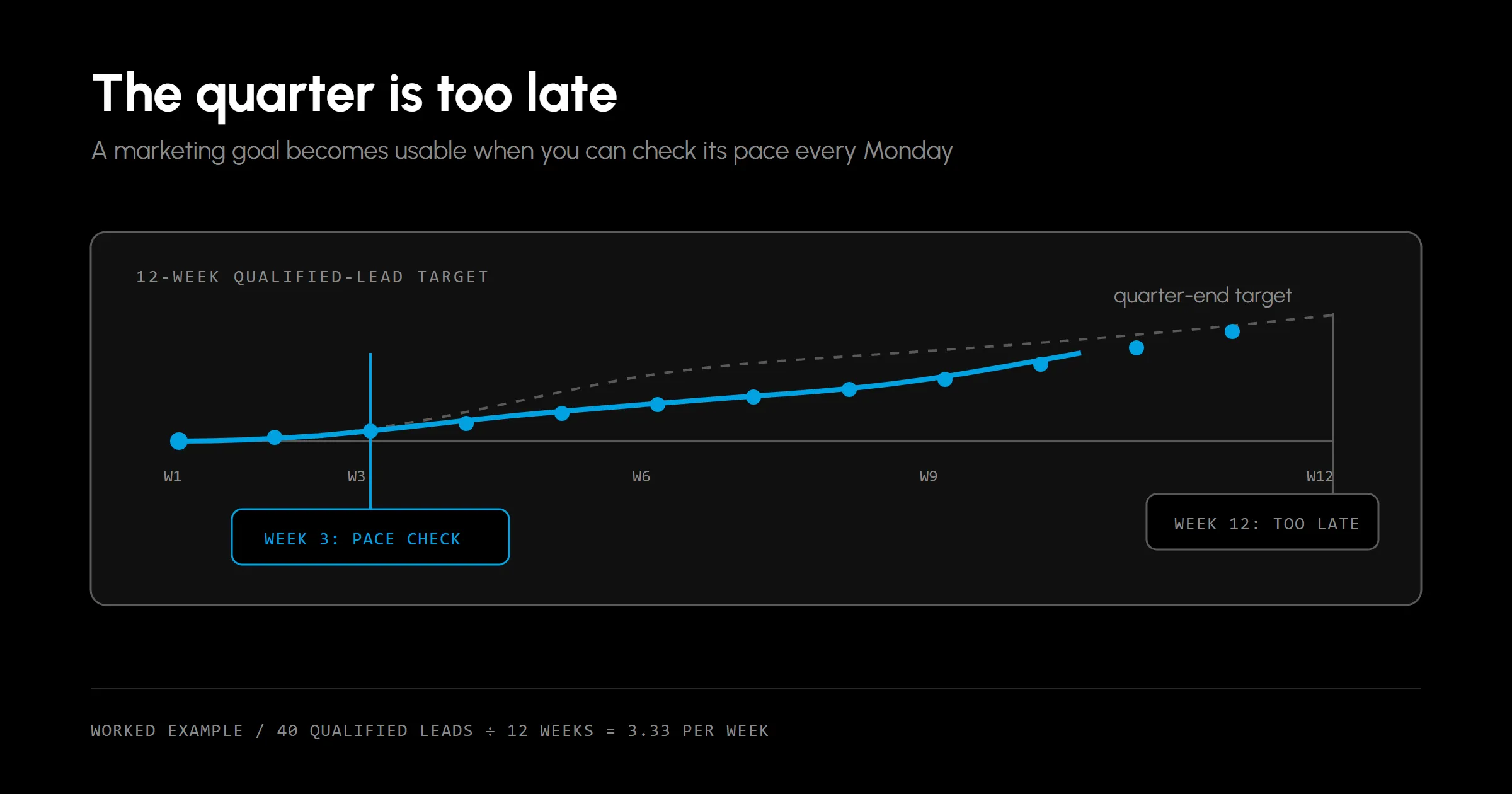
How I Turn SMART Marketing Goals Into Weekly Targets With Claude Code
Use Claude Code to turn vague marketing goals into a measurable weekly system. Set one outcome, choose the right metric, and review it every Monday.
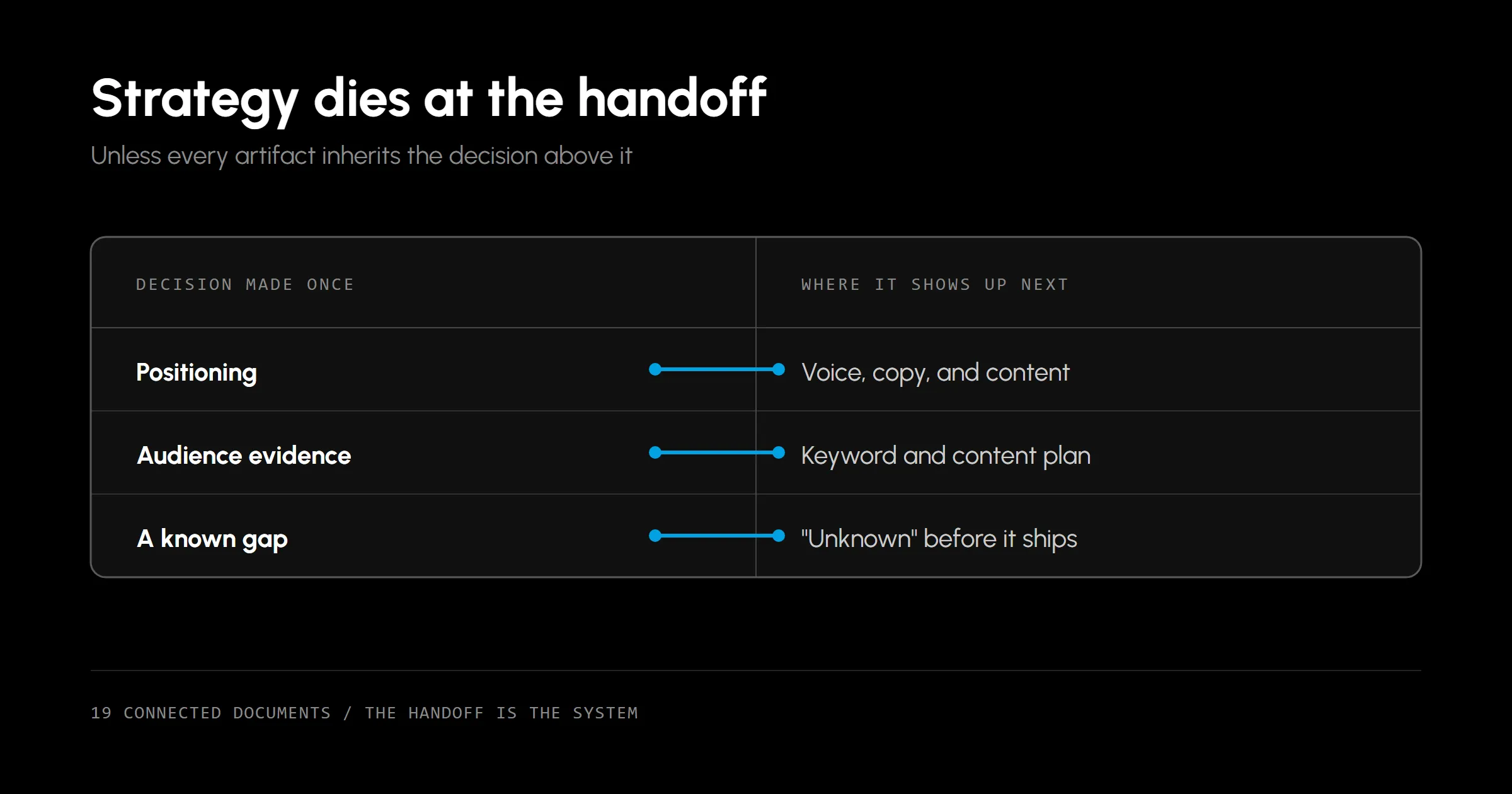
Marketing System Build: Keeping Strategy Alive Through Delivery
A case study of the 19-document marketing system I built to carry strategy, research, and brand rules from intake to published content.
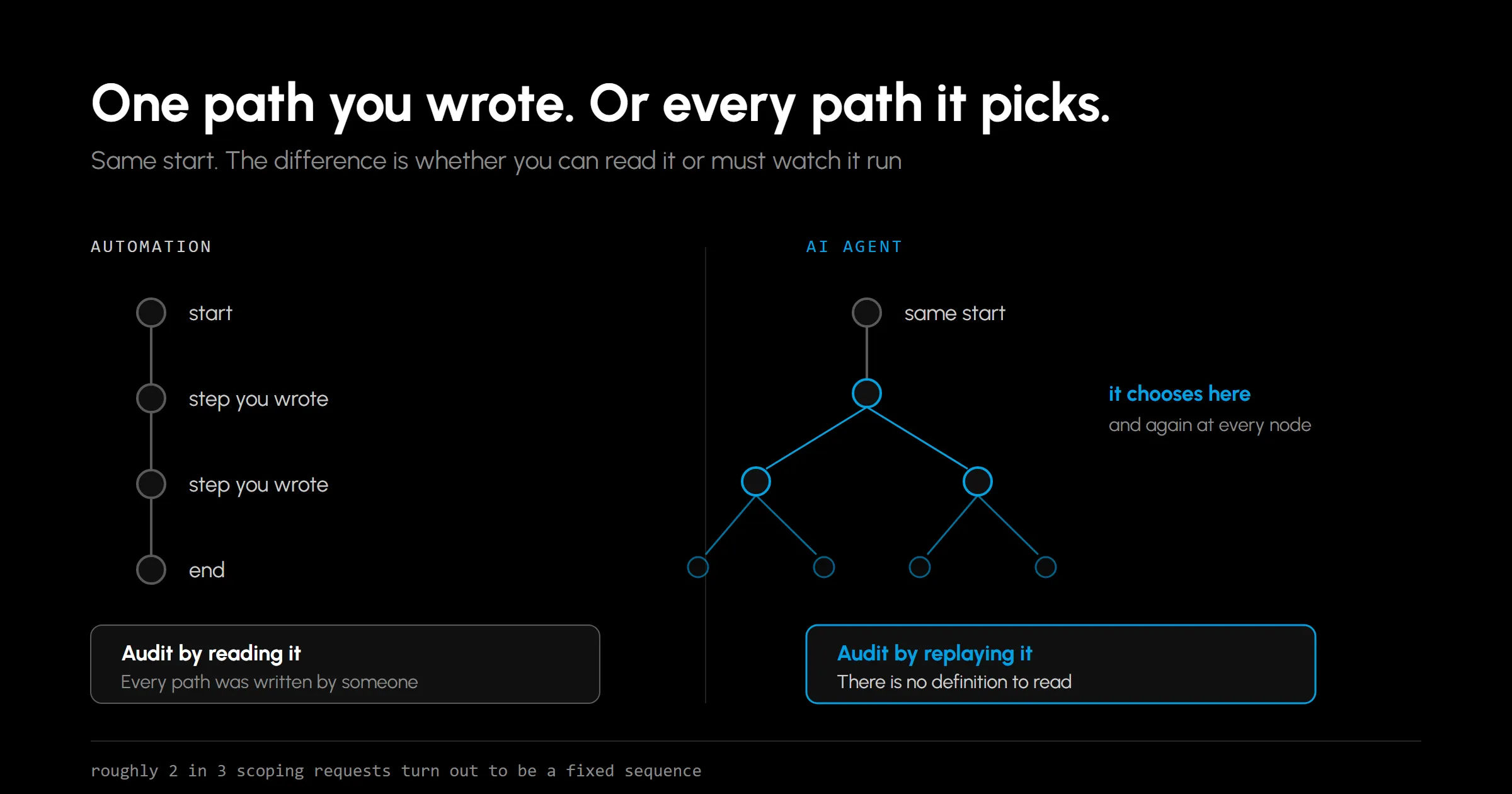
AI agent vs automation: most of what you want is a scheduled job
Automation follows a path you wrote. An agent picks its own. Here is the test that tells you which you need, and why buying the wrong one costs more.
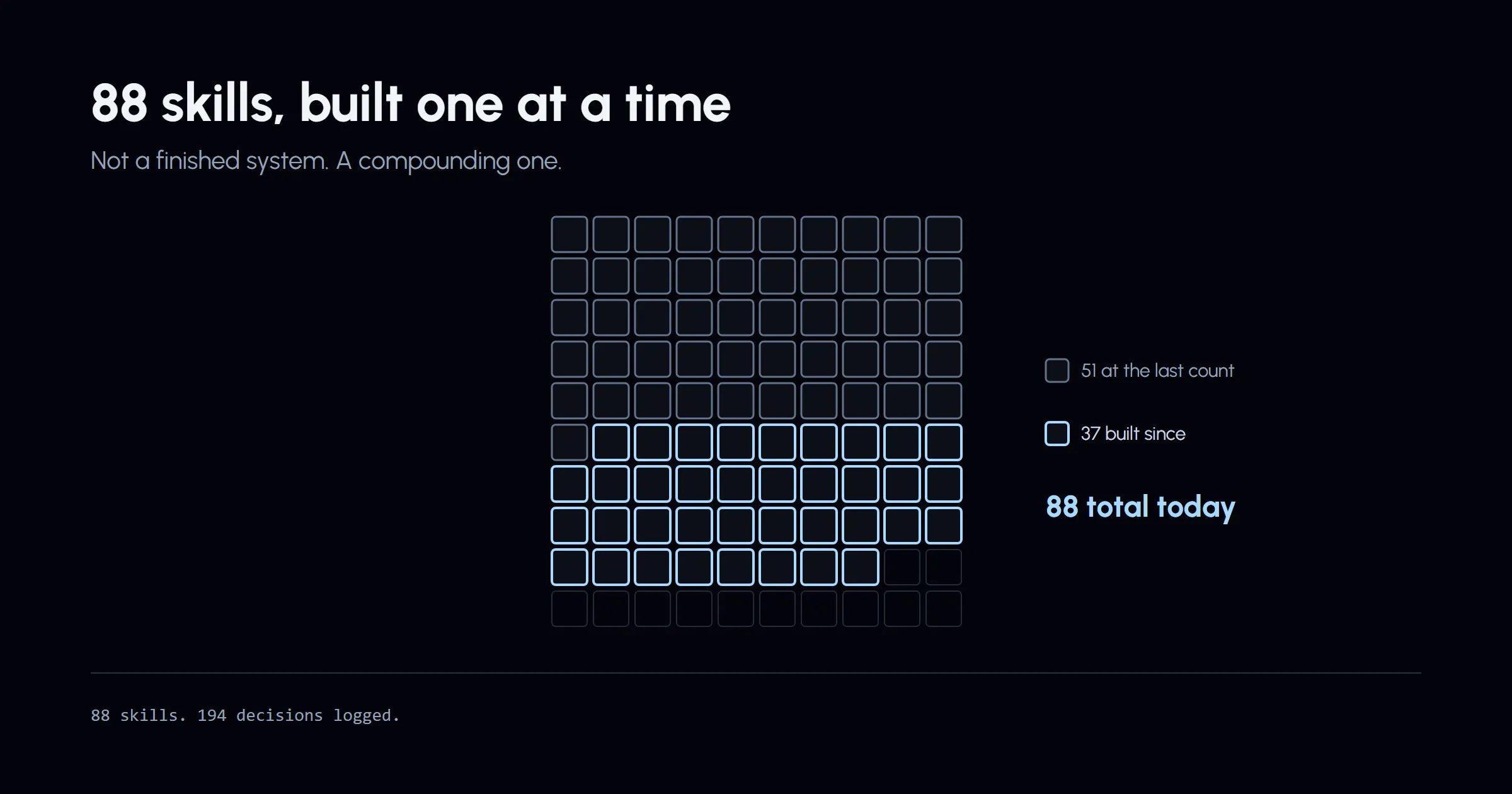
88 Skills, 194 Decisions Logged, One AI System That Actually Runs My Business
I stopped chatting with AI and built it an operating system: 88 skills, a second brain, and 194 logged decisions.
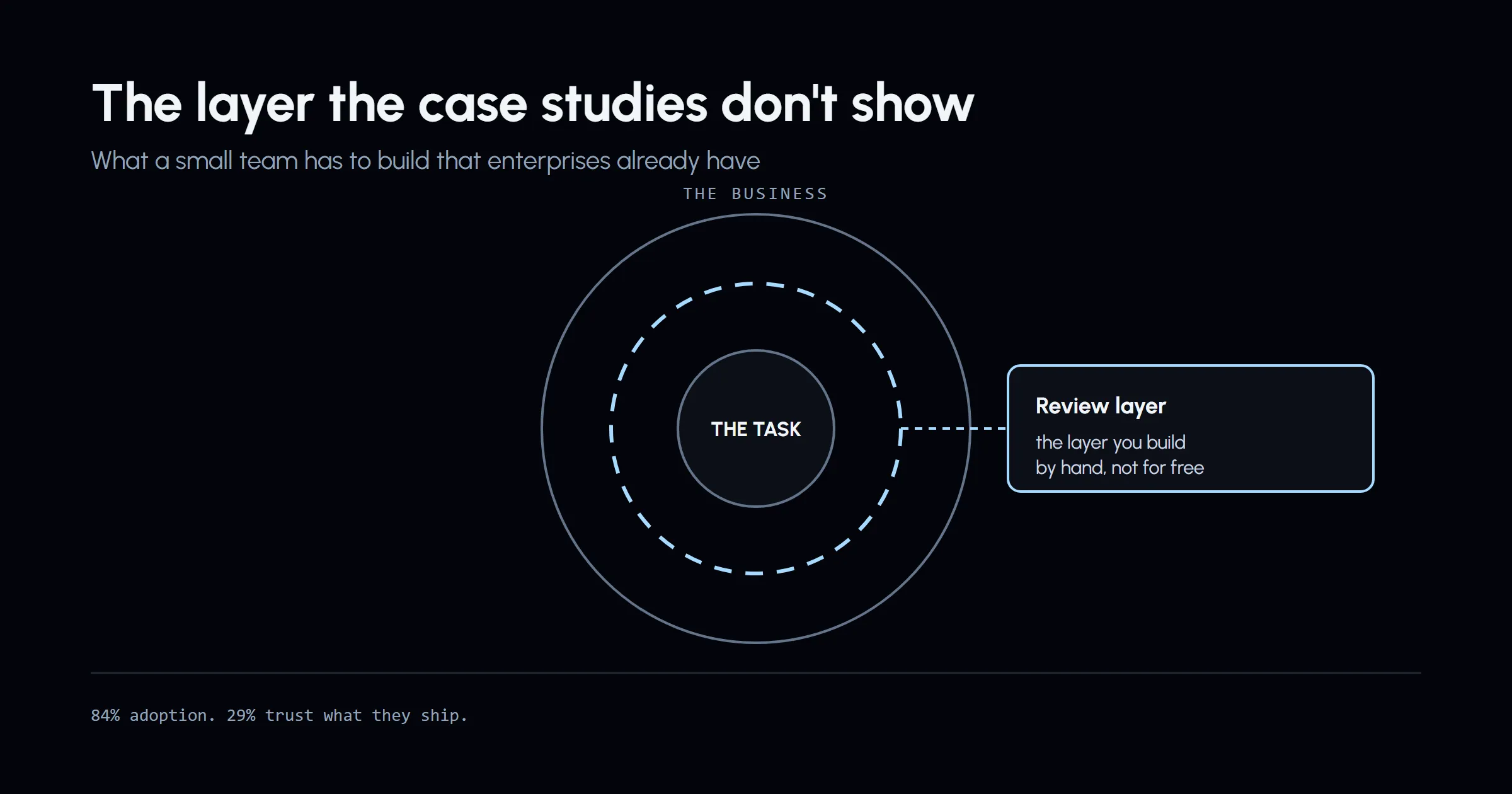
Claude Code for Small Business: What the Enterprise Case Studies Don't Show You
Enterprise Claude Code case studies come from Datadog and Rakuten. Here's what actually changes when a small team runs it instead.
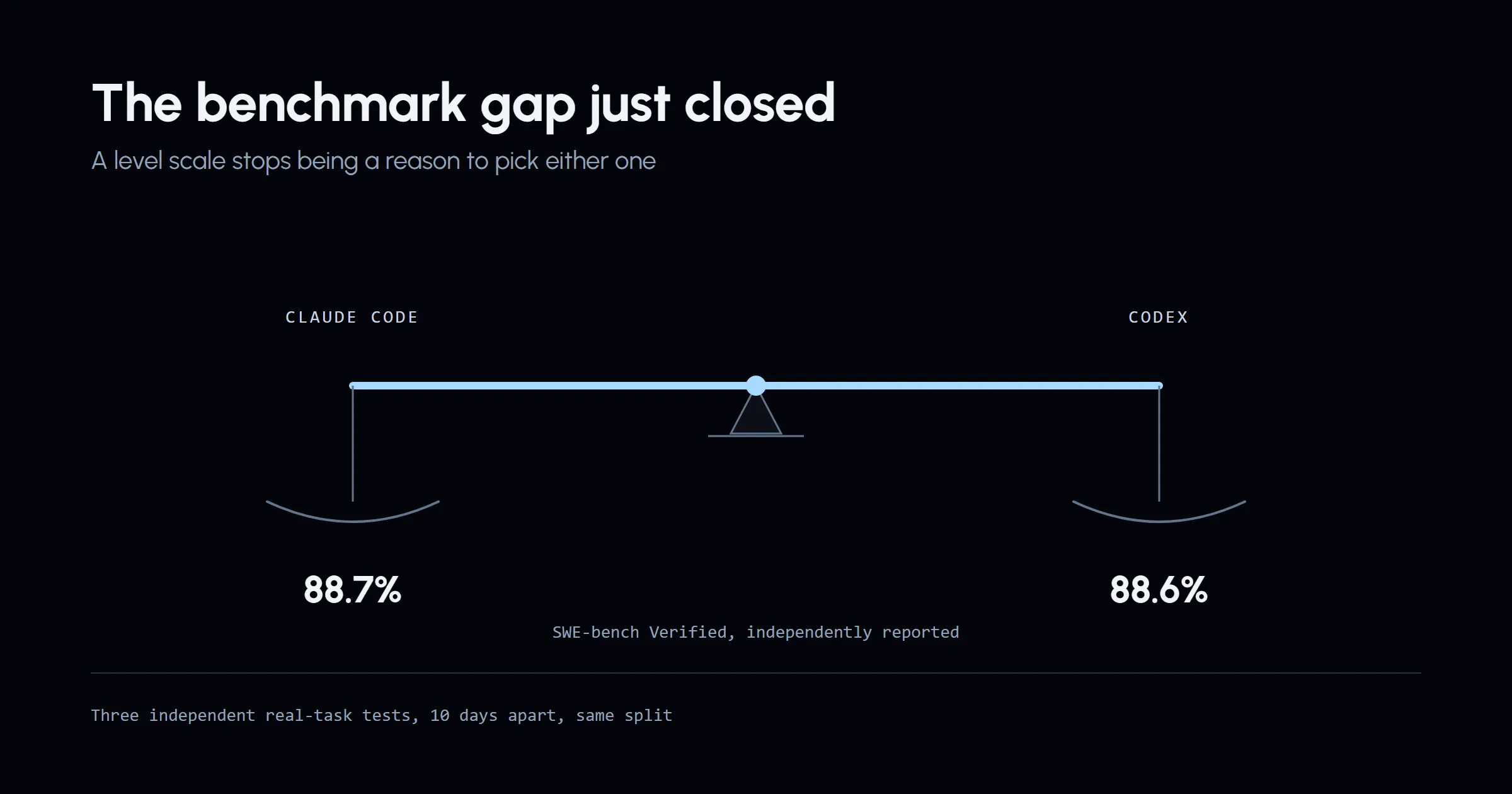
Codex vs Claude Code: pick by task type, not the benchmark
Codex and Claude Code now score within a point of each other on SWE-bench. Three real-task tests show what actually decides it instead.
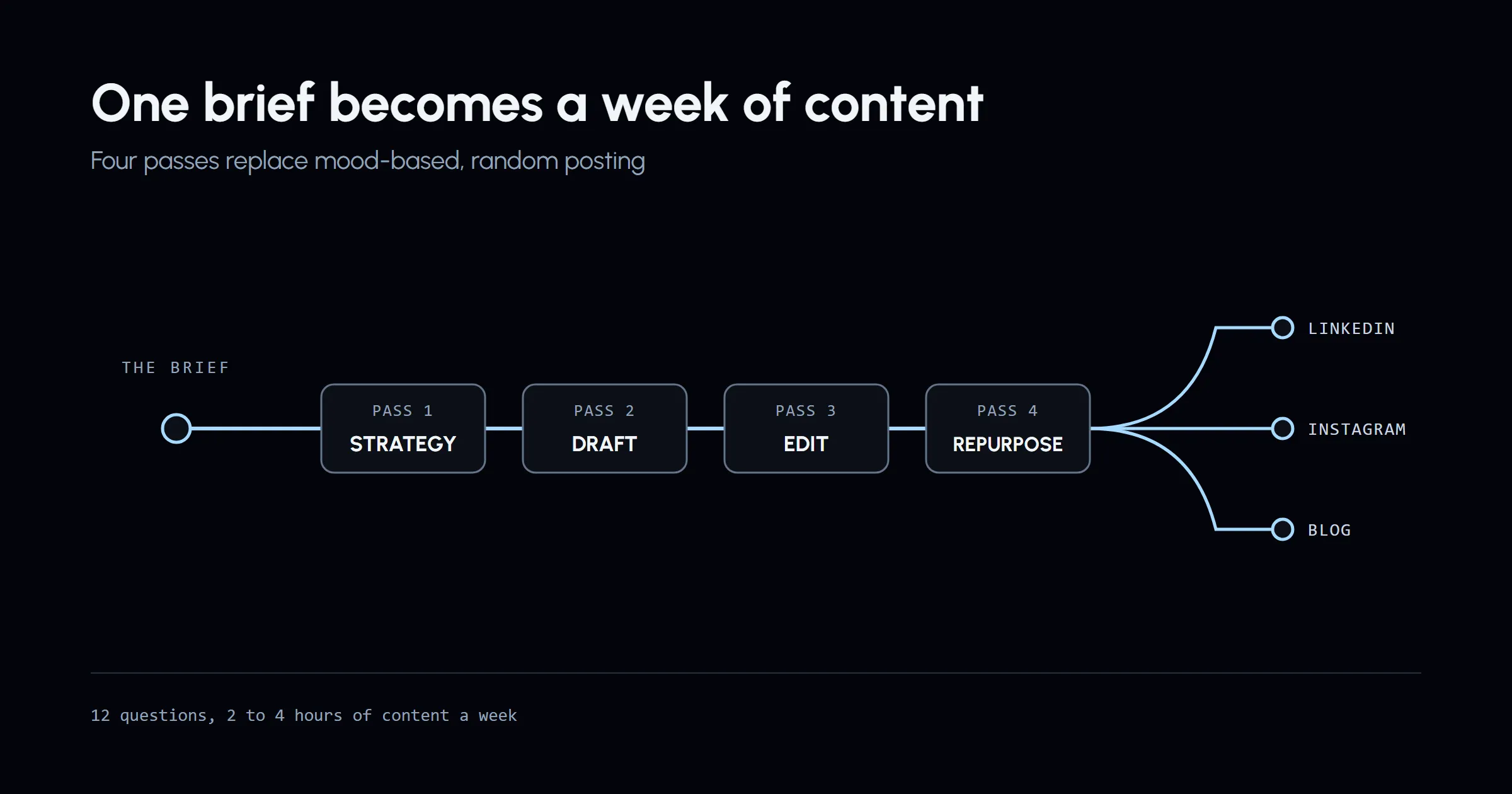
The 12-Question Marketing Brief That Ends Random Acts of Marketing
I stopped posting on mood and built a 12-question brief that turns one idea into a week of content in 2 to 4 hours.
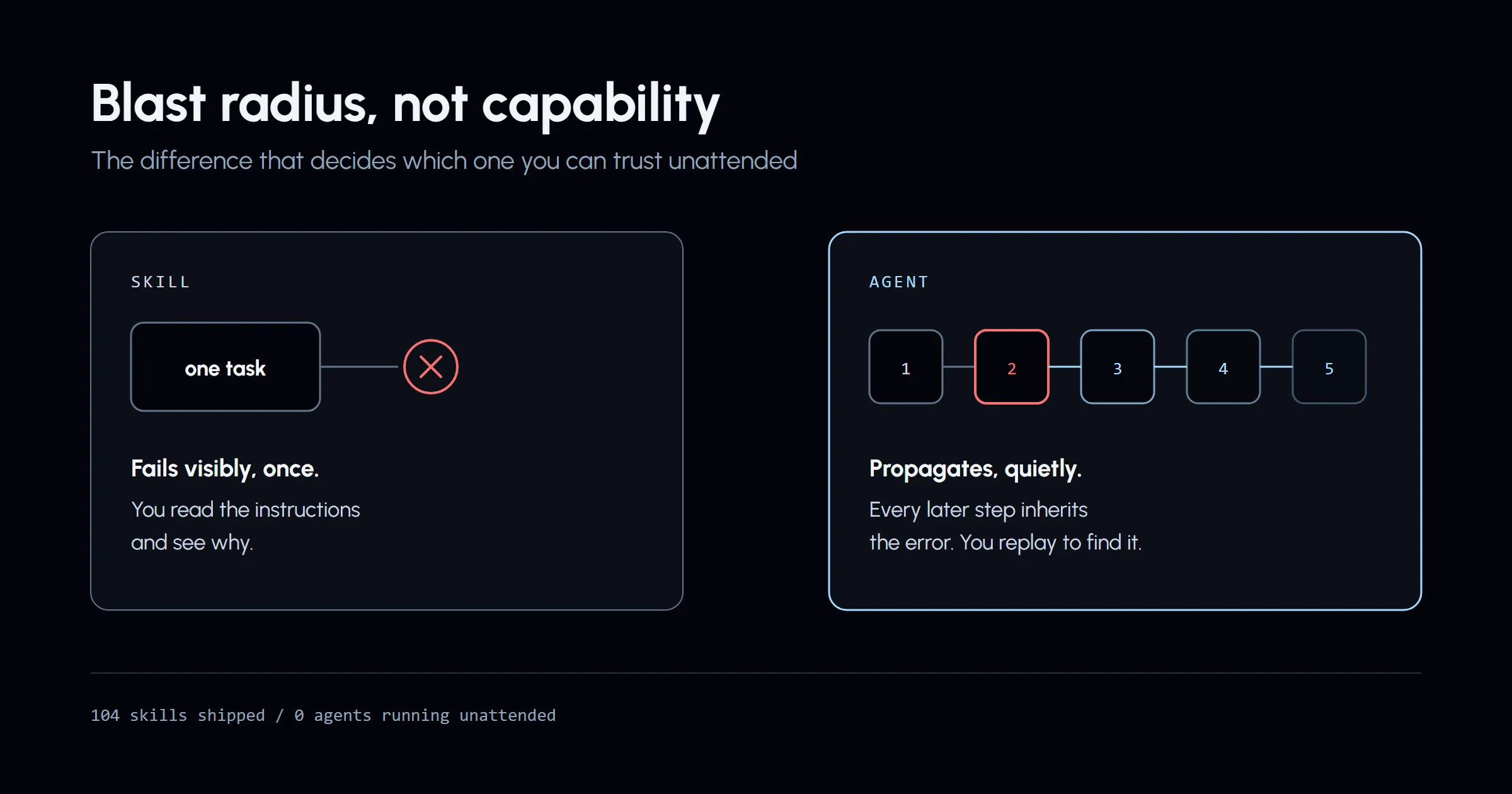
AI agent vs skill: I built 104 skills and zero agents
A skill is instructions for one task. An agent owns the loop. After building 104 skills and shipping few agents, here is when each one actually wins.